
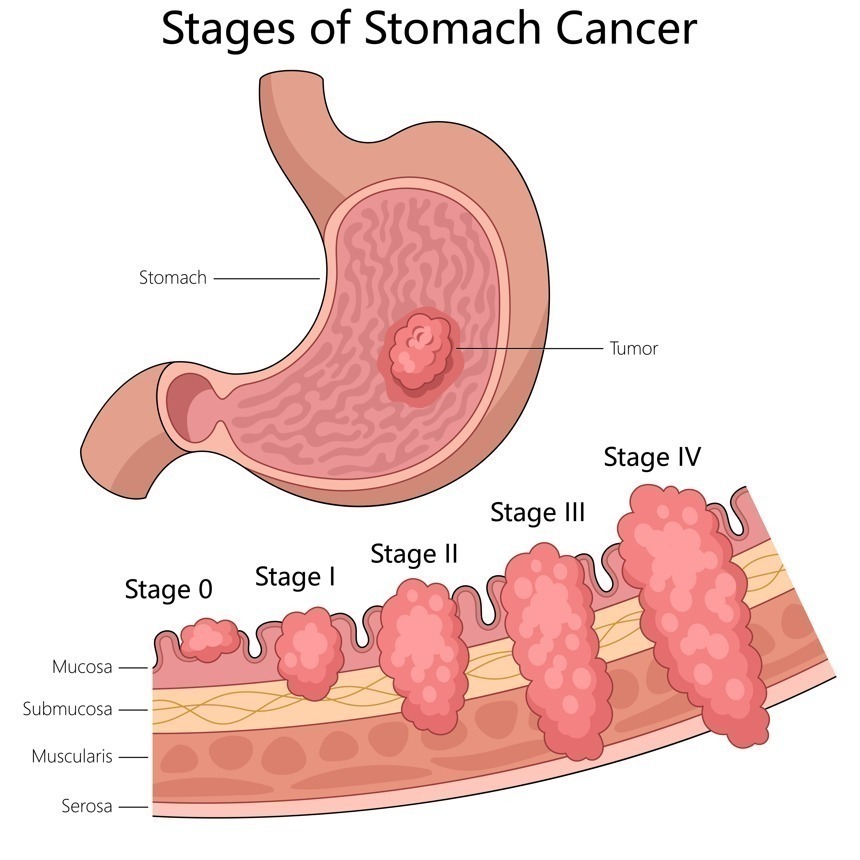
Stomach cancer treatment is planned according to factors such as tumour stage, disease spread, tumour characteristics and the patient's overall condition, with treatment often requiring a multidisciplinary approach.
For patients considering stomach cancer treatment, the appropriate strategy may involve surgery, chemotherapy, targeted therapy and immunotherapy, or a combination of these approaches. Previous treatment, tumour behaviour and the extent of disease are also important considerations when developing an individual treatment plan.
When surgery is indicated, laparoscopic and robotic cancer surgery may be considered for appropriately selected patients. Other specialised procedures, including HIPEC, may be evaluated in specific advanced situations when there is relevant peritoneal disease.
Sphincter-preserving surgery is more relevant to selected colorectal and rectal cancers, where preserving bowel function may be an important surgical objective. Its applicability depends on factors such as tumour location, local disease extent and the relationship of the tumour to surrounding structures.
Dr. Katdare's gastrointestinal oncology experience includes complex abdominal cancer surgery, where the surgical approach is considered alongside the tumour's characteristics and overall disease extent.
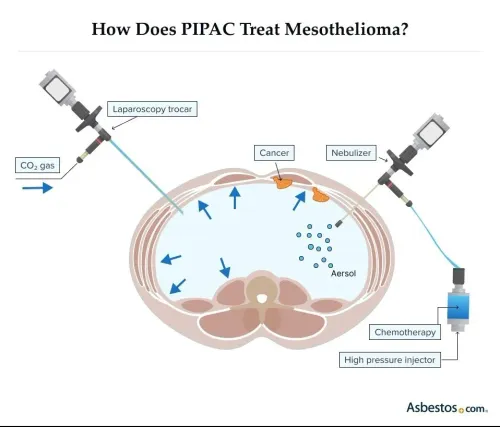
For stomach cancers involving the peritoneum, specialised approaches such as CRS with HIPEC or PIPAC may be evaluated in selected circumstances. Their consideration depends on disease distribution, previous treatment and the overall objectives of care.
For individuals exploring treatment options in Dadar, Dr Ninad Katdare Cancer Surgeon can help explain how surgical, systemic and specialised treatment approaches may be evaluated according to the individual cancer profile.